1 Year Warranty

Description
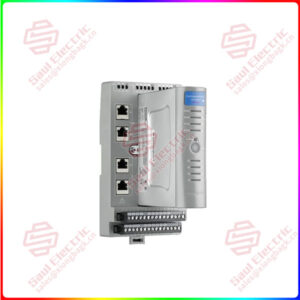
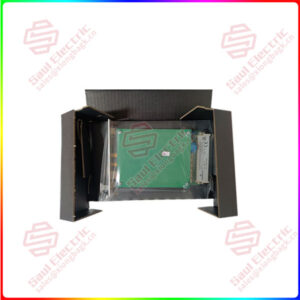
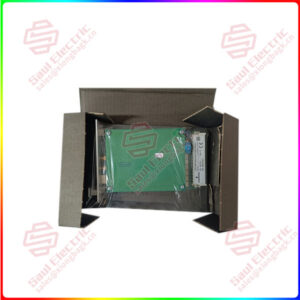
N3000-IMC — Input/Output Measuring Controller (norIS 3000 IAMCS Master Unit)
Product Overview
The N3000-IMC is a distributed input/output measuring controller from NORIS Marine, the German automation specialist now part of Noris Group, and serves as the master unit of the noriMos 3000 (N3000) integrated alarm, monitoring and control system that entered series production in 2004. Mounted in the machinery space, it acquires signals from the sensors that matter to a vessel’s operation — PT100 temperature elements, 4–20 mA pressure and level transmitters, and binary switch contacts — converts them to digital engineering values, applies threshold monitoring, and forwards the results over a redundant CAN system bus to the central monitoring station on the bridge or in the machinery control room.
The IMC’s role in the N3000 architecture is analogous to a distributed remote I/O station with intelligence: it relieves the central system of raw signal conditioning, keeps long analog cable runs short by locating acquisition at the machinery itself, and preserves monitoring continuity when a display or console fails. Because it is a blind processing unit without an integrated screen, the hardware can be packaged for the vibration and heat of an engine room rather than for a console environment.
For shipowners and crew, the value is regulatory and operational at the same time. Alarm and monitoring functions built on the N3000-IMC meet class requirements for unmanned machinery spaces, while dual CAN redundancy and dual power feeds keep the watch alive during blackout conditions and single-feed failures — the two scenarios in which a monitoring system earns its place on a ship.
Technical Specifications
| 参数名称 | 参数值 |
|---|---|
| Product Model | N3000-IMC (I/O measuring controller, master unit) |
| Manufacturer | NORIS Marine / Noris Group, Germany |
| Product Type | Distributed I/O measuring controller, noriMos 3000 IAMCS |
| Input Channels | Configurable analog/binary inputs; 8 (compact IMC/S) to 16 (IMC/L), variant-dependent |
| Output Channels | Digital/relay outputs, up to 8 on the large-format variant |
| Signal Types | PT100 temperature, 4–20 mA transmitters, binary switch contacts |
| Communication | Dual redundant CAN bus (system bus); 120 Ω termination selectable |
| Supply Voltage | 18–32V DC (24V nominal), dual independent power inputs |
| Mounting | DIN rail, TS35 |
| Protection Class | IP20 |
| Marine Approvals | DNV, GL, BV, LR, ABS |
| Variants | IMC/S, IMC/L, IMC-F, IMC-N, IMC/P; field revisions (e.g. REV-J, Rev H, Rev N) |
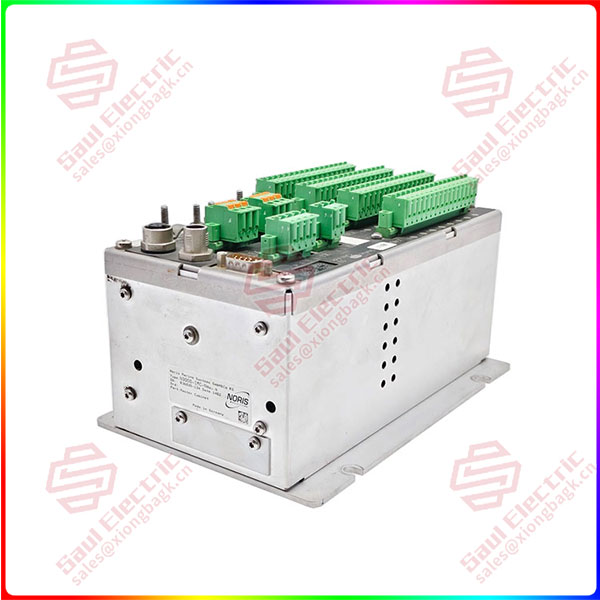
N3000-IMC
Key Features and Advantages
Distributed acquisition at the machinery: By digitizing PT100, 4–20 mA, and contact signals locally, the N3000-IMC eliminates long analog runs through the vessel and the interference they invite. The master station receives clean engineering values over the system bus instead of raw millivolt signals from the far end of the engine room.
Dual-redundant system bus: The two CAN channels carry the same data on independent paths, so a single bus fault degrades communication rather than destroying it. The onboard 120 Ω termination option lets commissioning engineers terminate the branch correctly at the physical end of the line — a detail that prevents packet collisions and sporadic alarm chatter in practice.
Blackout-tolerant power design: Two supply inputs, each intended to be fed from an independent 24V DC battery bank, keep monitoring alive when a generator or rectifier drops out. For an unmanned-machinery-space installation, this dual-feed scheme is what maintains continuous watch during a blackout condition.
Engineered for the engine room: As a blind unit with no display, the IMC avoids the weakest link of console-mounted electronics — the display and its vibration sensitivity — and packages the acquisition electronics in an IP20 DIN-rail housing suited to machinery-space cubicles.
Flexible channel mapping: Inputs are configurable between analog and binary roles, which lets one unit mix temperature, pressure, and switch-state supervision on a single controller, matching the heterogeneous sensor population of a real engine installation rather than forcing dedicated modules per signal type.
Class-approved alarm integrity: With approvals from DNV, GL, BV, LR, and ABS, the N3000-IMC carries the certification evidence that flag-state and class surveys expect, and it integrates with the noriMos 3000 displays and safety components that complete the statutory alarm chain.
Platform longevity: noriMos systems have remained in service for decades — a noriMos 900 alarm system commissioned in 1985 is still operating — which means the N3000 generation sits on a supportable, proven architecture rather than an abandoned one.
Application Areas
The N3000-IMC is used above all in marine engine monitoring and alarm systems: main propulsion engines — including large-bore installations such as CAT MAK plants — where PT100 temperatures, pressure transmitters, and switch contacts on the cylinder, lube oil, cooling water, and fuel systems are continuously supervised. Auxiliary machinery shares the same treatment: diesel generators, fire and bilge pumps, compressors, and purifiers report through IMC units distributed around the ship.
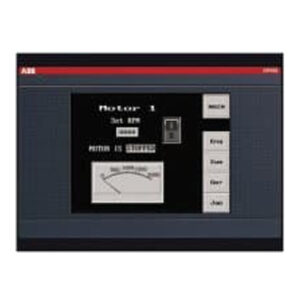
In the machinery control room and on the bridge, the digitized data is presented by N3000 master and slave displays, while alarm annunciators and safety components close the loop for watch-keeping and emergency response. The same acquisition chain supports engine safety functions, start-stop automation, and data logging, and the system scales from a small vessel with a handful of measuring points to a large plant where dozens of IMC and ISC stations feed a single monitoring network.
The architecture also translates to land-based plants with machinery-room-like conditions — power generation skids, pump stations, and industrial diesel installations — where the combination of redundant bus communication, dual power feeds, and class-style alarm integrity is equally valuable. In every deployment, the N3000-IMC plays the same role: it is the point where physical measurements become reliable, addressable data for the alarm system, and its failure mode is designed to be visible, not silent.
Related Products
- N3000-IMC/S — compact variant of the same master-unit family, with 8 inputs for localized sensor clusters.
- N3000-IMC/L — large-format variant with 16 inputs and up to 8 digital/relay outputs for high-density engine-room acquisition.
- N3000-ISC — I/O slave boxes that extend channel capacity under the N3000-IMC master over the same system bus.
- N3000-DMP30/31 — master display units for the machinery control room, presenting the alarms and values collected by the IMC network.
- N3000-DSP10/20 — slave display units for accommodation and watch-keeping areas.
- N3000-SSP01 — group alarm annunciator for optical alarm signaling in the control room, bridge, and accommodation.
- N3000-SAP — engine safety system of the noriMos 3000 family, operating alongside the monitoring controllers.
- NORIMOS 3500 (N3500) — successor alarm, monitoring and control platform based on redundant PC master stations; the upgrade path for legacy N3000 installations (not a direct module swap).
Installation and Maintenance
Installation preparation: Mount the N3000-IMC on a standard TS35 DIN rail inside a machinery-space cubicle, and route the redundant CAN bus so that the module sits at the intended position in the branch. If this unit is the last physical device on the bus branch, activate the internal 120 Ω termination via the onboard jumper — omitting this step is a classic cause of intermittent communication faults in the field. Terminate the shields of PT100 and analog cables at the designated S terminals; in the high-EMI environment of an engine room, an unterminated shield shows up as flickering alarm values rather than a hard failure. Feed the two power inputs from independent 24V DC battery banks, and verify the CAN node address setting before commissioning, matching the address map configured in the central monitoring station.
Maintenance advice: When alarm values flicker or channels report intermittently, check the sensor shield terminations and bus termination first — these account for most field problems on distributed marine I/O. During scheduled dry-dock inspections, verify that both supply feeds are live, confirm the node addresses and termination jumpers still match the as-built drawing, and exercise the relay outputs against the connected annunciator or control loads. Note the unit’s revision code (for example REV-J) when ordering spares, since hardware and firmware revisions differ across the IMC family; keeping one spare N3000-IMC with the correct revision per machinery plant allows a failed master unit to be exchanged during a port call instead of stranding the monitoring system until the next survey.
Product Warranty
The N3000-IMC is supplied with a warranty backed by functional pre-shipment testing, and each unit is documented against its revision code so that replacements match the firmware and connector generation installed on board. For the large noriMos 3000 installed base, the supply chain offers new and tested surplus master units, application support for configuration and bus addressing, and documentation that supports class-survey evidence for alarm and monitoring systems. Because the unit carries approvals from DNV, GL, BV, LR, and ABS, owners can replace or expand IMC stations with confidence that the delivered hardware preserves the certification basis of the installation, with after-sales support oriented toward the realities of ship schedules and port-call turnarounds.